
Thinking of buying a Health Lottery ticket in person? Many players prefer the familiarity of the shop counter and a printed ticket in their hand. This guide explains where tickets are sold, what to expect at the till, how receipts work and how to collect any winnings, all in plain language so you can decide which option suits you best.
We focus on the practical details you need to play within the rules and keep your experience straightforward and secure. Read on to find out where to buy, how the process differs from online play, what ID and payment methods are accepted, and how to handle results and prize claims.
Where Can You Buy Health Lottery Tickets on the High Street?
Health Lottery tickets are sold at many high street retail outlets across the UK, including supermarkets, convenience stores, newsagents and petrol station forecourts. Look for the lottery branding at the counter to confirm a shop is an authorised retailer. Staff at participating stores can point you to play slips and tell you whether tickets are available that day.
Sales are restricted to people aged 18 or over, and retailers must follow verification procedures if necessary. Having a broad retail presence makes it straightforward to buy a ticket while doing everyday shopping or on the way home, and the next section outlines what happens once you reach the counter.
How Does Buying a Ticket in a Shop Work?
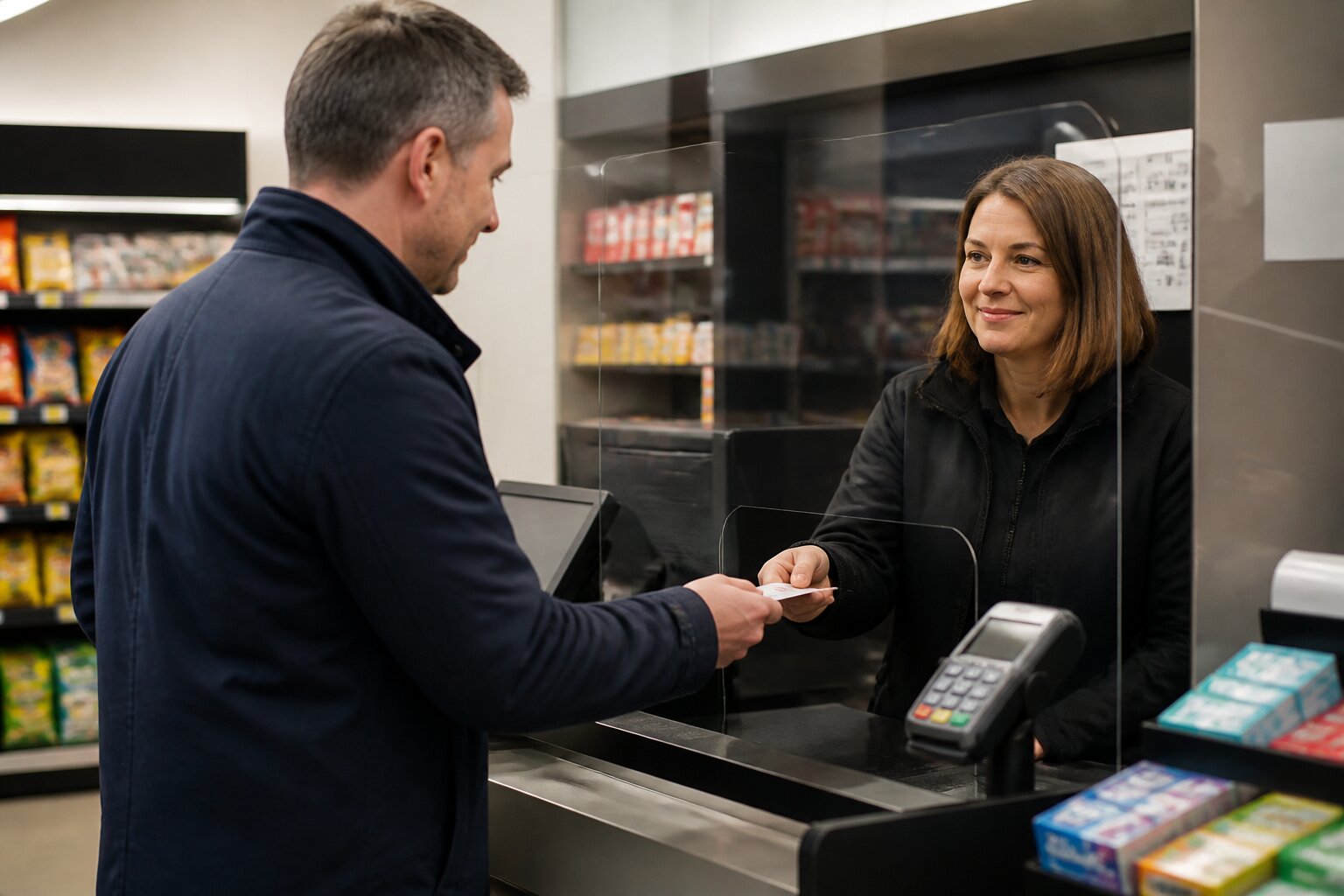
Purchasing a ticket in store is a brief, familiar process designed to be clear and secure. First you choose numbers on a printed play slip or ask for a randomly generated selection. Hand the completed slip to the cashier, who processes the entry and prints a physical ticket for you to keep. The ticket shows your numbers and draw details.
Retail staff are trained to complete the transaction safely, including carrying out age checks when appropriate and providing basic information about play. Payment is taken at the till and you should keep the printed ticket safe, since it is the only proof of your entry. The next section compares this paper-based experience with buying through an online account.
How Do Shop Tickets Differ From Online Health Lottery Purchases?
The main difference is how your entry is stored and how you interact with it. A shop purchase produces a physical ticket that you must present to claim a prize; an online purchase creates a digital ticket held in your account, with confirmations sent by email or within the app. Online accounts can automatically check results and notify you of prizes, while in-store play relies on you keeping and checking your paper ticket.
Payment methods also vary. Shops commonly accept cash and debit cards for tickets, whereas online payments use registered card details stored on the site. Both methods require the purchaser to be aged 18 or over and operate under the same regulatory framework, so the choice comes down to whether you prefer having a paper ticket or the convenience of an online record. The following section explains what ID and payment options to expect in shops.
What Identification or Payment Methods Are Accepted?
In-store purchases are usually completed with cash or debit card. Credit cards are typically not accepted for lottery sales, in line with regulatory practice intended to promote responsible spending. Some retailers may also accept contactless debit cards or mobile wallet payments that draw funds directly from a debit account, but this can vary by shop so it is best to check with staff if you need to use one of these options.
Retailers may ask for photographic ID if you look under a certain age. Acceptable documents include a passport, photocard driving licence or a recognised proof-of-age card. These checks are routine and are there to ensure tickets are sold only to eligible adults.
If you plan to buy larger numbers of entries or have questions about accepted payment options, staff at the retailer can advise during the purchase. You should also ask about receipts and any specific store policies on refunds or cancelled purchases before you pay, so you know what to expect.
Understanding Your Health Lottery Ticket Receipt
Your printed ticket is the official record of your entry. It lists your selected numbers or the randomly assigned ones, the draw date and time, the cost, and a unique serial number. Check these details as soon as you receive the ticket to make sure everything matches your intended purchase, and keep the ticket safe because it is required to claim any prize. The information on the receipt also helps verify whether a ticket has been entered into the correct draw.
If a ticket is damaged or lost there is no direct replacement, so storing it somewhere secure until after the draw is important. You may find it helpful to keep the ticket in a wallet or a designated safe place at home to reduce the risk of misplacing it. Taking a clear photograph or making a note of the unique serial number can provide a useful reference, although this does not replace the original ticket for claiming a prize.
Remember to keep your ticket for the full period during which prizes can be claimed, and to check the official results promptly after the draw. Next, find out how you can check results and confirm whether you have won.
Can You Check Health Lottery Results In Store?
Many participating retailers provide a quick way to check results, with printed results slips or a display of the latest numbers visible at the counter. Staff can usually scan your ticket and tell you whether it matches any winning numbers, which is a helpful service when you are on the move.
For complete certainty, you can compare your ticket against the official published results online or through the Health Lottery’s channels. Checking results yourself is the best way to ensure you do not miss a prize, and the next section covers what happens if your ticket is a winner.
Collecting Winnings from Shop-Bought Tickets
Smaller prizes are often paid directly by the retailer, subject to the shop’s cash limits and procedures. For larger prizes, the retailer will advise on the claims process, which typically involves contacting the lottery operator, completing a prize claim form and providing proof of identity. Retail staff can explain how to proceed and what documentation will be needed.
Payout methods vary depending on the size of the win and the retailer’s capabilities; some shops can process electronic transfers or issue a cheque for larger amounts. If a claim requires a formal process, you will be guided through it so the prize can be settled securely and in line with legal requirements. The frequently asked questions below address common concerns about eligibility, payments and lost tickets.
Can anyone buy a Health Lottery ticket in a shop?
Tickets are sold only to people aged 18 or over. Retailers must verify age where there is any doubt, so be prepared to show acceptable ID if asked.
What payment methods can I use in-store?
Most shops accept cash and debit cards for ticket purchases. Credit cards are generally not accepted for lottery purchases.
What do I do if I lose my ticket?
If a ticket is lost or destroyed, it cannot be replaced. The physical ticket or receipt is the only valid proof of entry and must be presented to claim any prize.
Can I claim all prizes in the shop?
Smaller prizes can normally be collected at the retailer, within the shop’s cash-handling limits. For larger prizes a claims process will be required and staff will explain how to proceed.
How often are draws held?
Draw schedules are published by the operator and the draw date and time are printed on your ticket. Check official channels for the most up-to-date schedule.
Whether you buy a paper ticket at a shop or purchase online, the process is governed by clear rules and safeguards to keep play fair and secure. Choose the option that fits your routine, keep your ticket safe, and follow the claims guidance if you win.
**The information provided in this blog is intended for educational purposes and should not be construed as betting advice or a guarantee of success. Always gamble responsibly.