
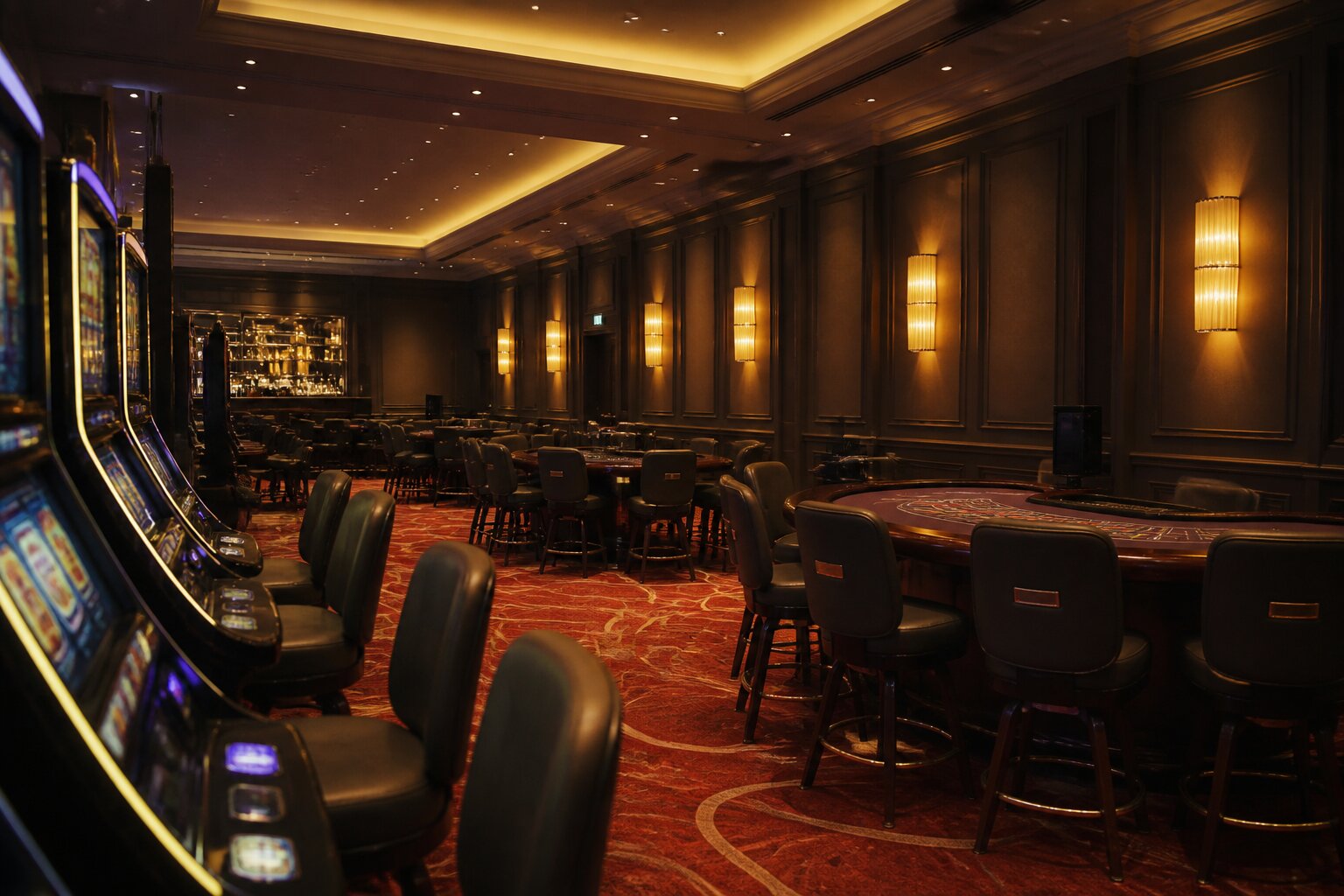
Have you ever walked into a casino and noticed something strange? No matter how big or fancy the place is, windows are often nowhere to be seen. Time can feel suspended once you step inside.
This isn’t an accident — designers shape every aspect of the space to influence how visitors feel and behave. From layout to lighting, the choices serve practical and psychological purposes.
Curious to know what’s really going on? Keep reading as we explore the design choices behind windowless casinos and how they shape the experience.
The Psychology Behind Casino Design
Casinos are deliberately crafted environments. The patterns on carpets, the placement of machines and tables, even the temperature, all work together to create a particular mood. Designers aim to make the space comfortable and engaging so visitors want to stay, talk and play.
A key idea is removing external cues that mark time and place. Without natural light or visible clocks, it’s easier for people to lose track of hours. That absence isn’t necessarily about deception; it supports a focused, immersive experience where the surroundings feel self-contained. For example, softly lit gaming areas with clustered machines encourage social interaction while minimizing distractions from the outside world.
At the same time, good venues balance immersion with clear information and support. Regulation requires visible access to help and welfare resources, and staff are trained to assist guests who may need guidance. Being aware of how the environment affects behaviour helps visitors make better choices about how long to stay and when to take a break.
How Do Windows Affect Gambler Behaviour?
Windows and natural light provide important contextual signals: the time of day, weather and the sense that there is an outside world to return to. These cues help people pace themselves and remain aware of time spent inside a venue.
When these cues are removed, people are more likely to focus solely on the gaming floor and less on other activities. That can lead to longer visits simply because there are fewer prompts to move on. This is why some casinos opt for windowless designs: to create a controlled, distraction-free environment that supports the intended atmosphere.
Practical examples include shopping centres and cruise ships, where interior spaces without windows also encourage longer stays. Understanding this makes it easier for visitors to manage their own time and spending by using visible clocks on phones, setting reminders, or stepping outside periodically.
Ambience And Sensory Manipulation In Casinos
Design goes well beyond the simple presence or absence of windows. Lighting, sound, scent and temperature are all tuned to create a measured ambience. Warm, even lighting reduces eye strain; a low level of background music keeps energy steady without overwhelming conversation; subtle scents can make spaces feel cleaner or more inviting.
These sensory choices combine to form a cohesive emotional tone. For instance, gentle music and ambient noise from machines give a space a social buzz without becoming stressful. Temperature is kept comfortable to reduce discomfort that might prompt early departures. Together, these elements support a sustained, pleasant visit rather than abrupt exits.
Knowing how those cues operate can help you read a venue more clearly — and decide when a break might be the better option.
What Other Design Elements Keep Players Engaged?
Beyond ambience, casinos use routing, sightlines and furniture to encourage movement and interaction. Games are placed in clusters so players can see activity across the floor, while wider aisles and seating areas invite lingering and conversation. Signage is used to highlight key areas, and staff are positioned to be approachable, which helps maintain a welcoming atmosphere.
These choices also support safety and accessibility. Clear pathways, good lighting and obvious exits make it straightforward to navigate the venue. For most visitors, the result is a comfortable experience that balances stimulation with ease of movement.
Having a sense of the design can help you make more informed choices about where to spend your time and how to take breaks when you need them.
Lighting Choices In Casinos
Lighting is layered: brighter zones draw attention to entrances and high-traffic areas, while softer pools of light create intimate spaces around tables and seating. This layering helps players orient themselves and can make busy floors feel less overwhelming. It also reduces visual fatigue, which might otherwise encourage early leave-taking.
Designers often use directional light to highlight signage and key points, ensuring that necessary information remains visible even in a broadly atmospheric setting.
Use Of Colours And Sounds
Colour schemes are selected to support the desired mood; deeper tones combined with accent colours create warmth without being garish. Sound design is equally intentional: music tempos are chosen to match the venue’s pace, while the natural chime of machines is balanced so it contributes to the atmosphere rather than creating stress.
Together, colour and sound form a backdrop that supports social interaction and concentration, helping visitors feel comfortable for longer periods.
Are Windowless Casinos A Legal Requirement?
Windowless design is a choice, not a legal obligation. Regulations focus on safety, fair play and customer protection rather than architectural style. Venues must comply with licensing conditions, welfare measures and public-safety requirements, but there is no mandate that casinos lack windows.
Designers and operators do, however, work within regulatory frameworks to make sure premises meet legal and ethical standards. Where natural light is absent, venues put in place measures to ensure customers can access information, support and assistance readily.
Common ways venues compensate for a lack of natural light include:
- clear, well-lit signage showing exits, help points and responsible gambling resources
- a visible staff presence and training so customers can quickly raise concerns
- designated welfare areas and access to support materials for problem gambling
- emergency lighting and safety systems to meet public-safety requirements
These steps help venues satisfy licensing conditions and consumer-protection obligations while maintaining a controlled and safe environment.
Do All Casinos Follow The Same Design Principles?
Design principles vary widely by country and by the type of venue. While some trends — such as creating inviting circulation and clear sightlines — are common, casinos in different regions reflect local preferences and rules. Large destination resorts may favour theatrical themes and entertainment spaces, while smaller venues might emphasise straightforward layout and easy navigation.
In the UK, regulatory priorities shape many design choices, resulting in venues that balance atmosphere with transparency and accessible welfare information. Elsewhere, design may lean more heavily into spectacle or integrate additional hospitality features.
Spotting these differences helps you understand why some places feel more theatrical and others more understated.
Debunking Common Myths About Casino Interiors
Several persistent ideas about casinos are misleading. For example, while some design elements can influence stay duration, layouts are rarely intended to “trap” people. Most venues aim to provide an enjoyable, navigable space because that draws repeat visitors and supports long-term business.
Another myth is that every casino is deliberately confusing; in practice, many operators prioritise clear pathways and helpful staff to keep guests comfortable. Design choices that minimise harsh contrasts and reduce sensory overload are often about comfort and accessibility rather than manipulation.
Recognising what is and isn’t true about casino design makes it easier to read a venue and make choices that suit your preferences.
How Does Casino Design Differ In The UK?
UK casinos tend to be more restrained compared with some international counterparts, reflecting both regulatory emphasis and local expectations. Interiors lean toward practical elegance: comfortable seating, clear signage and well-lit public areas are typical, and spaces are planned to be easy to navigate.
The UK Gambling Commission’s rules influence design by requiring visible access to support and by enforcing standards that protect players. Smoking restrictions and safety provisions further shape layout and amenities, creating a more welfare-focused environment.
This blend of atmosphere and regulation aims to provide a pleasant venue where visitors can enjoy themselves with clear information and support if they need it.
**The information provided in this blog is intended for educational purposes and should not be construed as betting advice or a guarantee of success. Always gamble responsibly.